Factory Strength
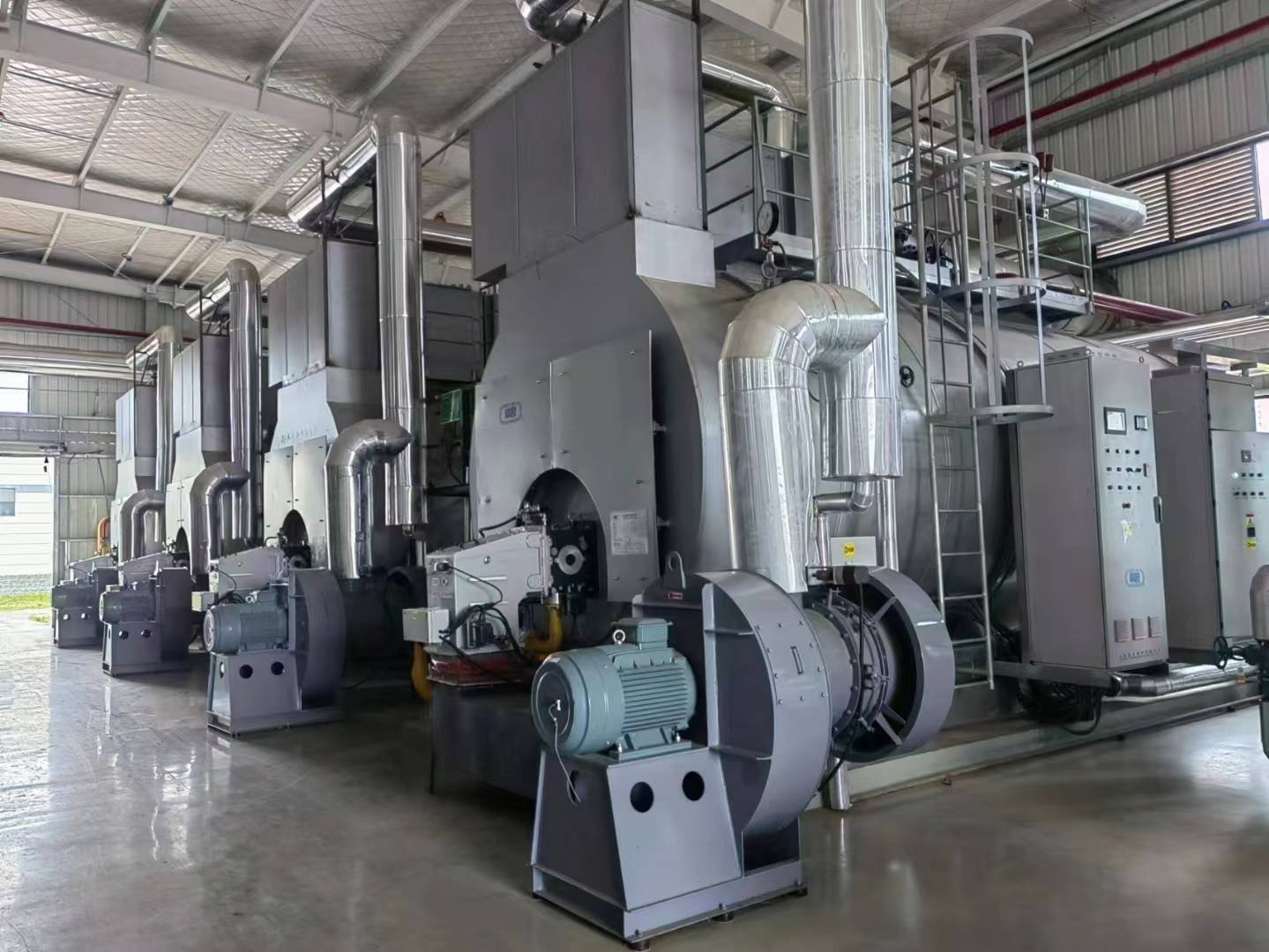
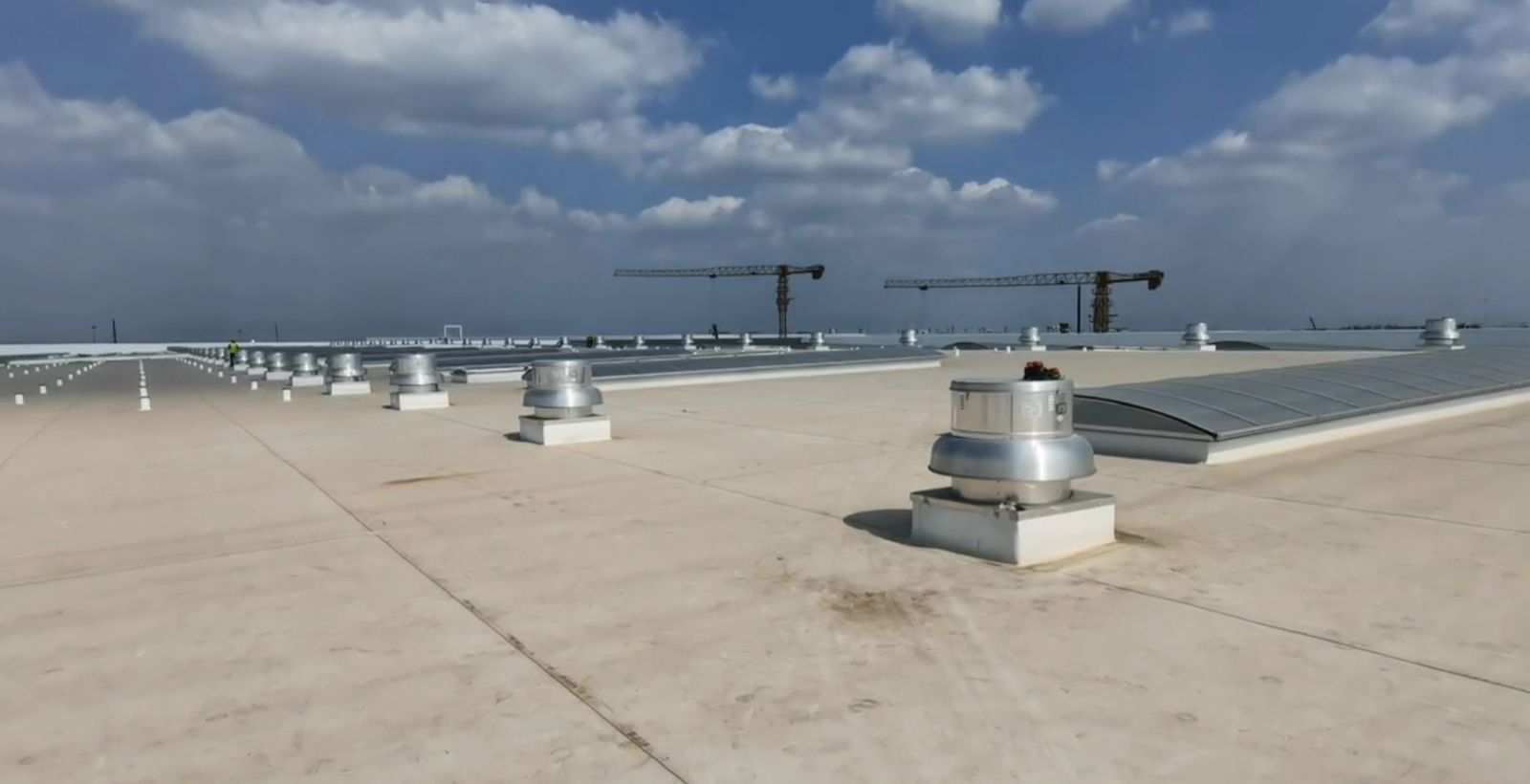
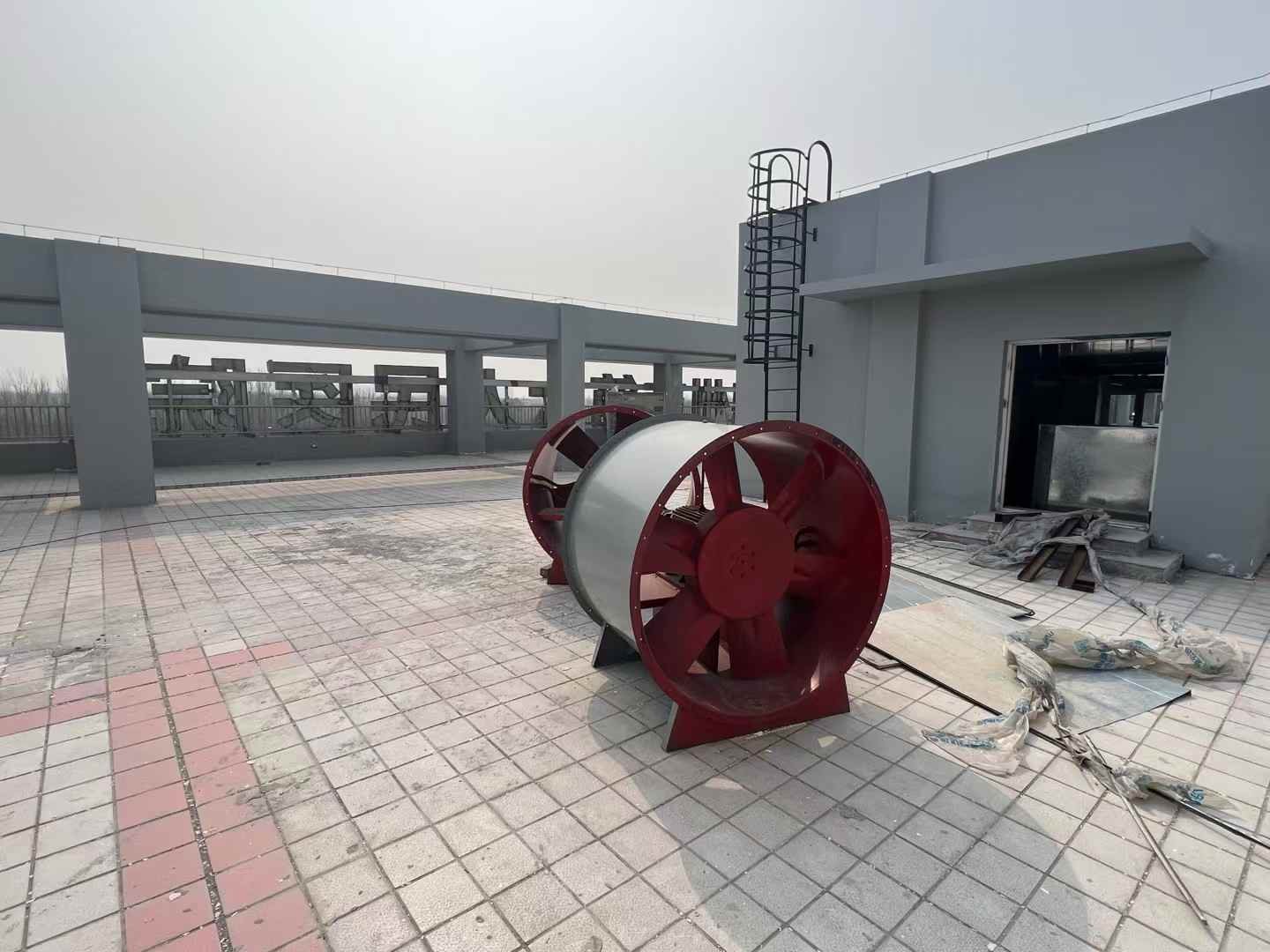
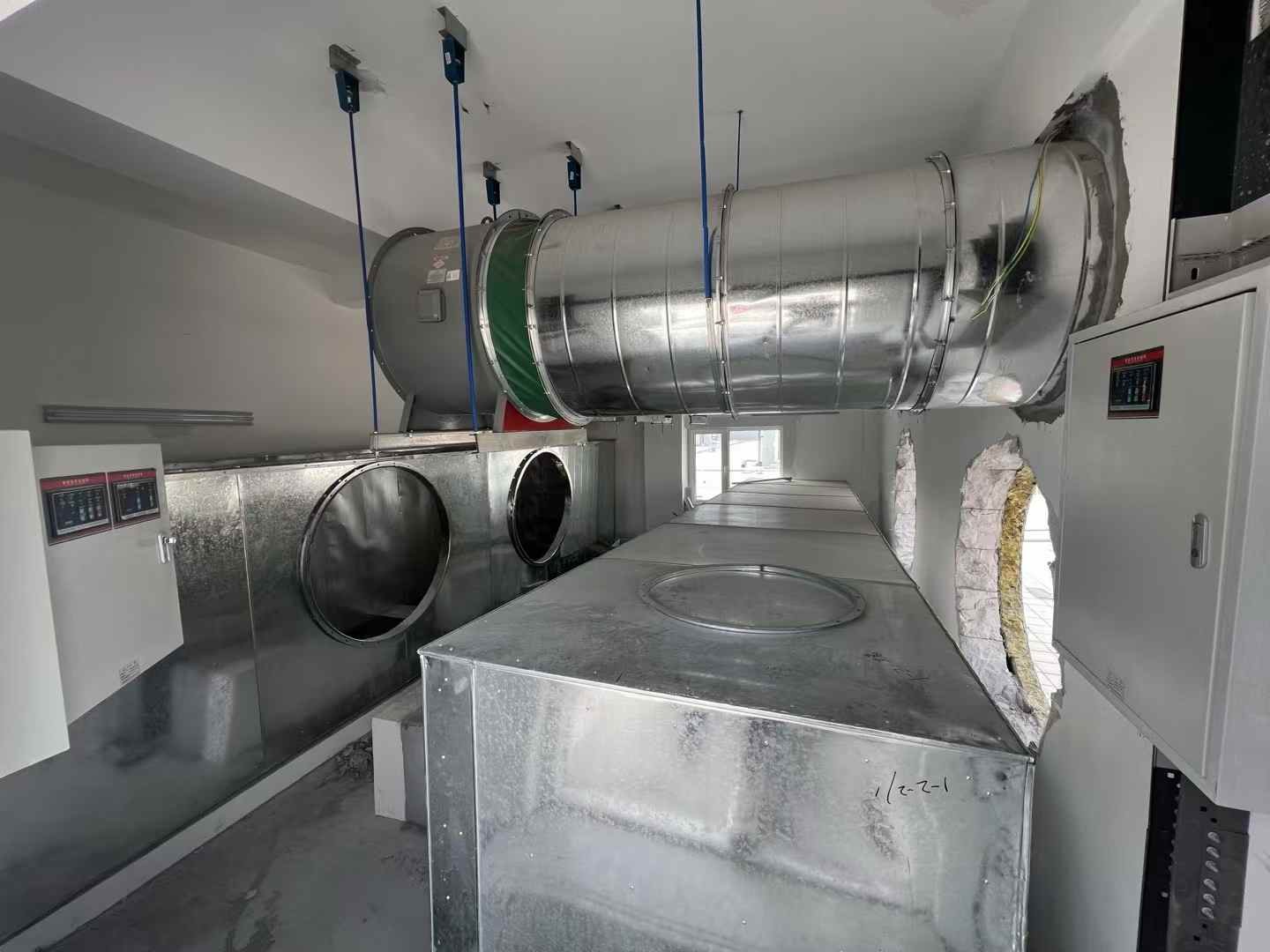
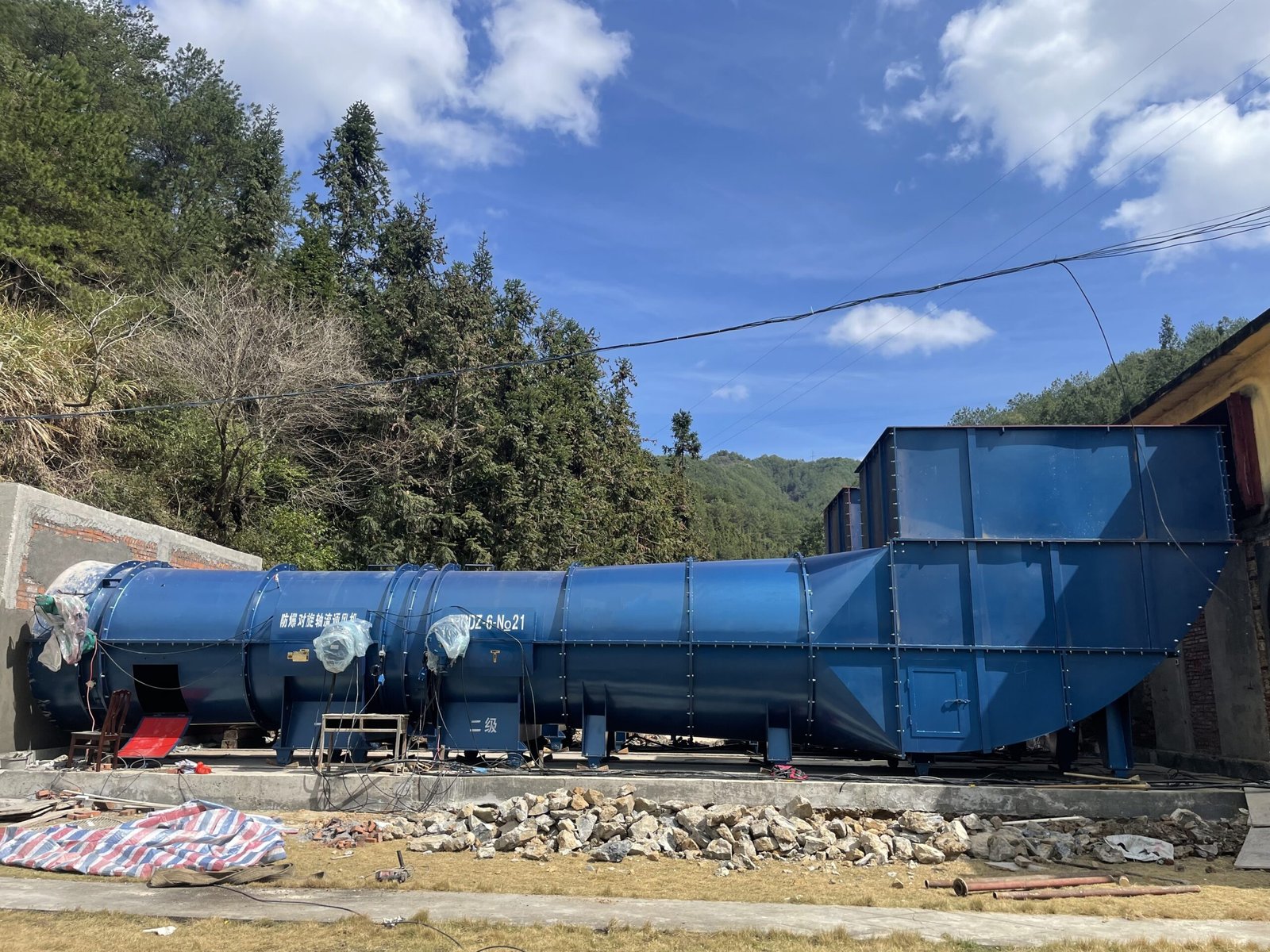
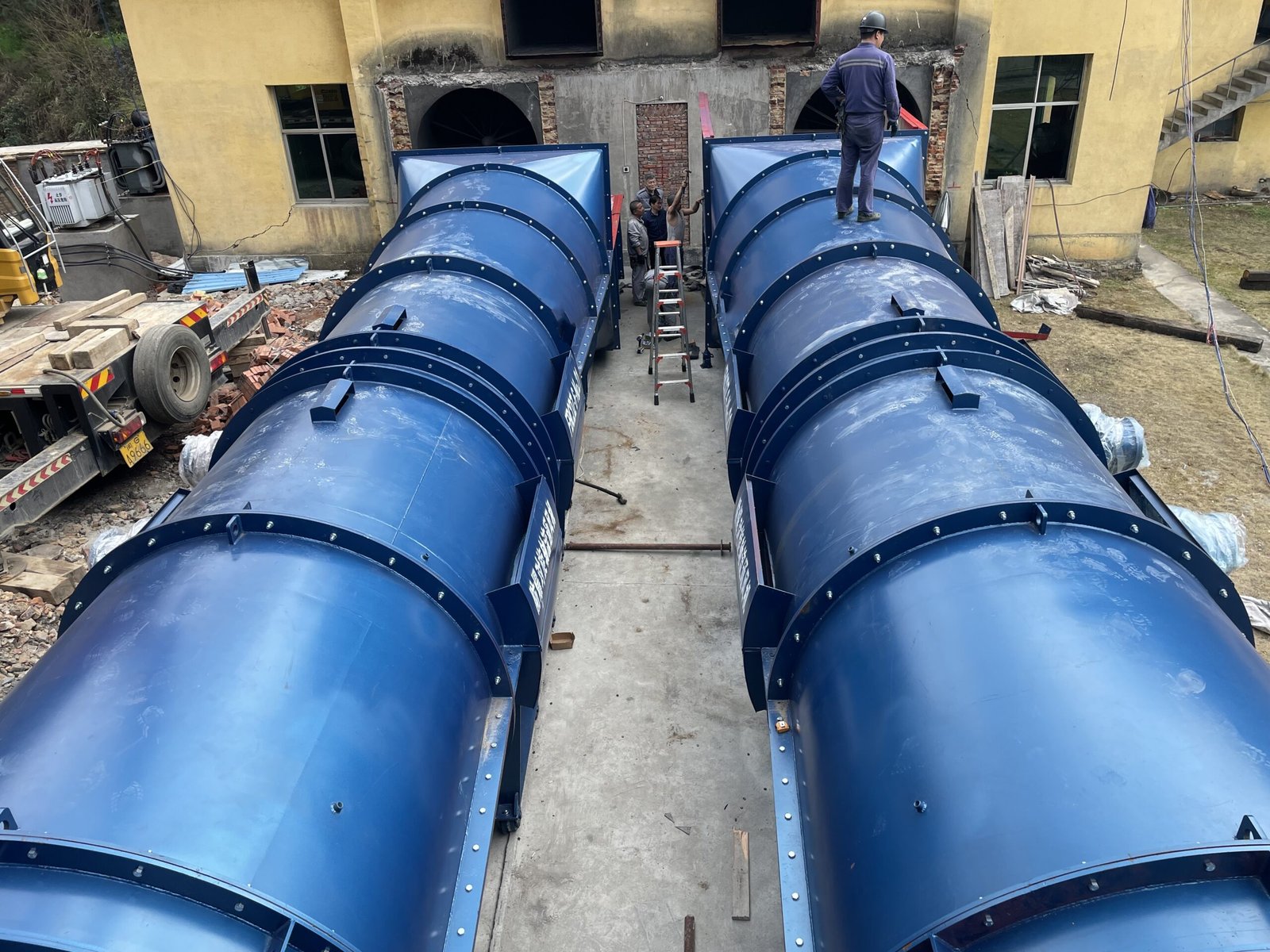
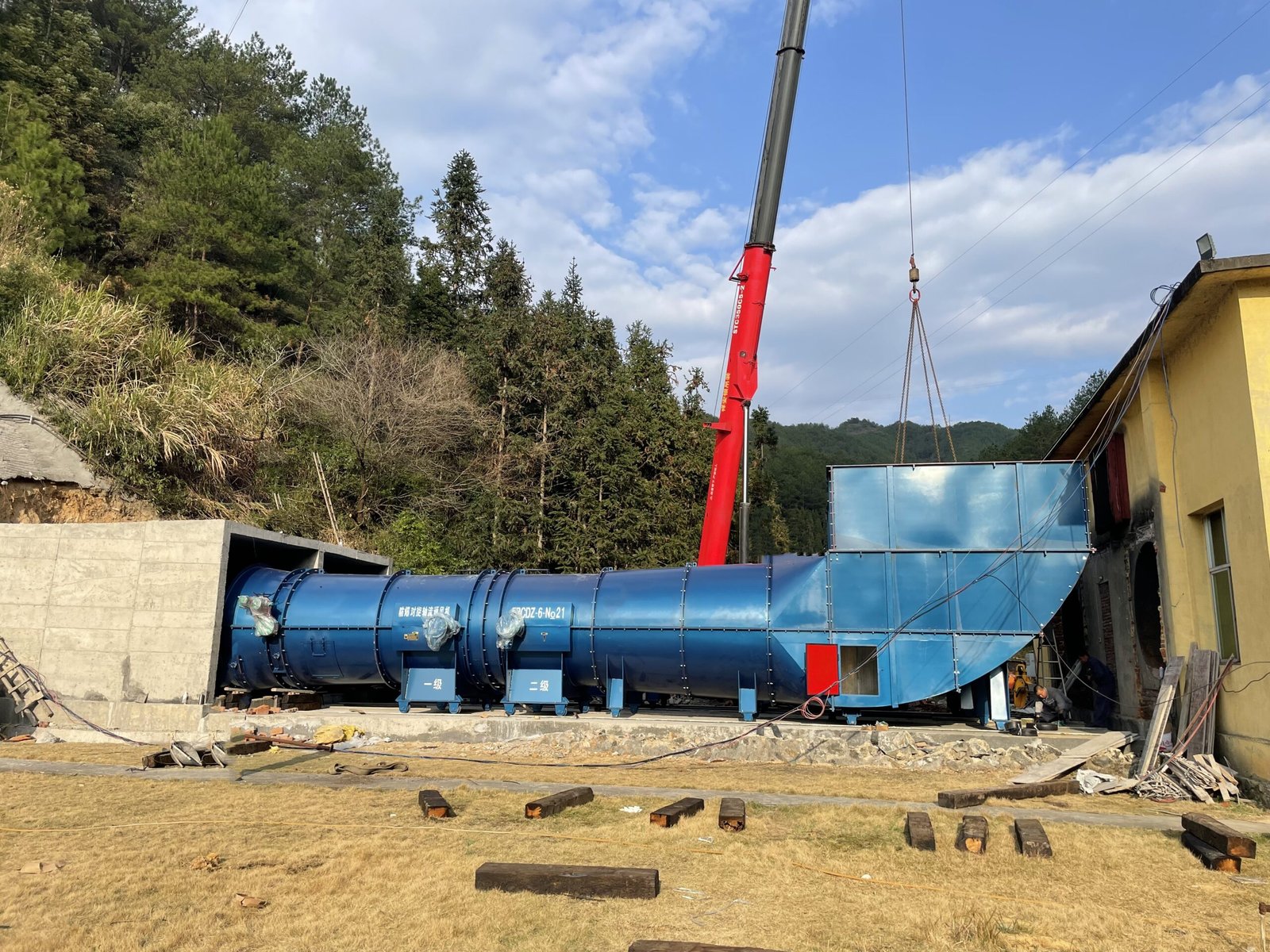
Advanced production equipment and automated assembly lines
Experienced technical and quality control teams
Strict quality management system ensuring product reliability
Strong production capacity to handle bulk orders
Industrial Plant Ventilation
Application Background
Industrial plants often generate a large amount of waste heat, residual moisture, dust, and harmful gases during the production process. There are two types of ventilation for factory buildings: natural ventilation and mechanical ventilation. Mechanical ventilation relies on ventilation fans to achieve ventilation and air exchange. Although it requires electricity consumption, the ventilation is stable and reliable. Modern industrial plants are rapidly developing towards intelligence and energy conservation.
Core Requirements
- Effectively eliminate smoke and harmful gases generated during welding, casting, spraying and other processes
- Reduce the temperature inside the factory building and improve the working environment for workers
- Realize energy conservation, consumption reduction, and intelligent management
Typical Applications
Widely used in various industrial plants such as mechanical manufacturing, welding workshops, casting workshops, chemical production, building materials production, electronic manufacturing, etc.
Building Ventilation
Application Background
The demand for indoor air quality in modern architecture is increasing day by day. Whether it is an office building, commercial complex, hospital, hotel or residential area, a good ventilation system is the key to ensuring the health and comfort of personnel. Building ventilation includes two methods: active ventilation (mechanical ventilation) and passive ventilation (natural ventilation).
Core Requirements
- Ensure indoor air cleanliness and reduce the concentration of pollutants such as PM2.5 and CO₂
- Realize energy-saving operation and reduce building operating costs
- Meet safety requirements such as fire and smoke exhaust
- Balance a quiet and comfortable user experience
Typical Applications
Widely used in various civil and public buildings such as office buildings, commercial complexes, hospitals, hotels, schools, residences, etc.
Mine Ventilation
Application Background
Mine ventilation is the lifeline of mine safety production. The working environment of underground mines is complex, with various hazardous factors such as gas, dust, high temperature, and high humidity. The ventilation system is responsible for delivering fresh oxygen to underground workers, diluting and discharging toxic and harmful gases and dust, and regulating underground temperature and humidity. The mine ventilation network is a complex system composed of ventilation power equipment, ventilation structures, and ventilation control facilities.
Core Requirements
- Ensure the safety of miners’ lives and provide sufficient fresh air
- Effectively dilute and eliminate harmful substances such as gas and dust
- Cope with the increase in ventilation distance and changes in wind resistance caused by the extension of the excavation face
- Realize energy conservation and consumption reduction, reduce ventilation costs (mine ventilation can account for 25% -60% of the total operating costs of mining)
Typical Applications
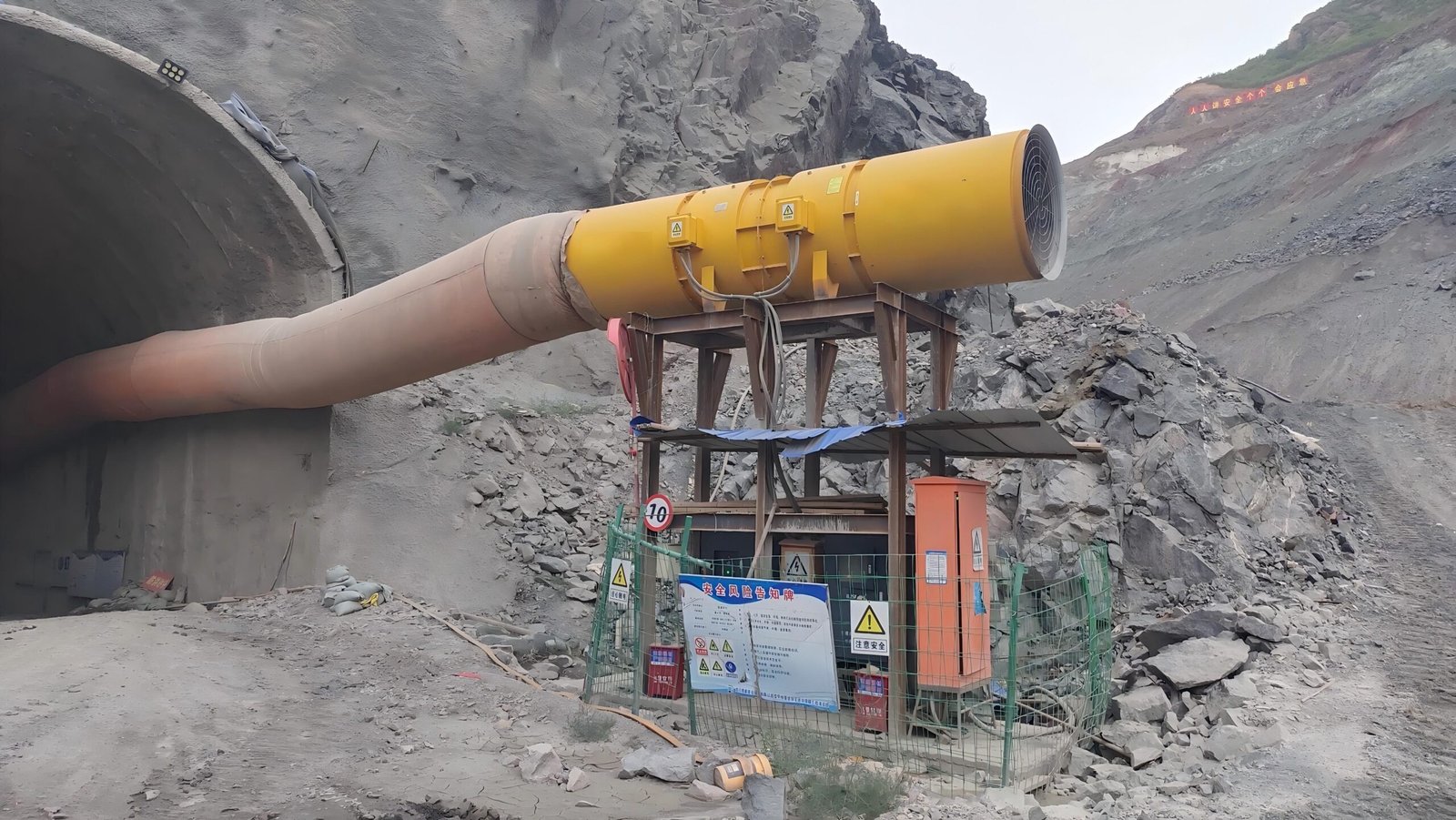
Widely used in underground ventilation systems of coal mines, metal mines, and non-metal mines, including main ventilation systems, local ventilation systems, and excavation face ventilation.
Tunnel Construction Ventilation
Application Background
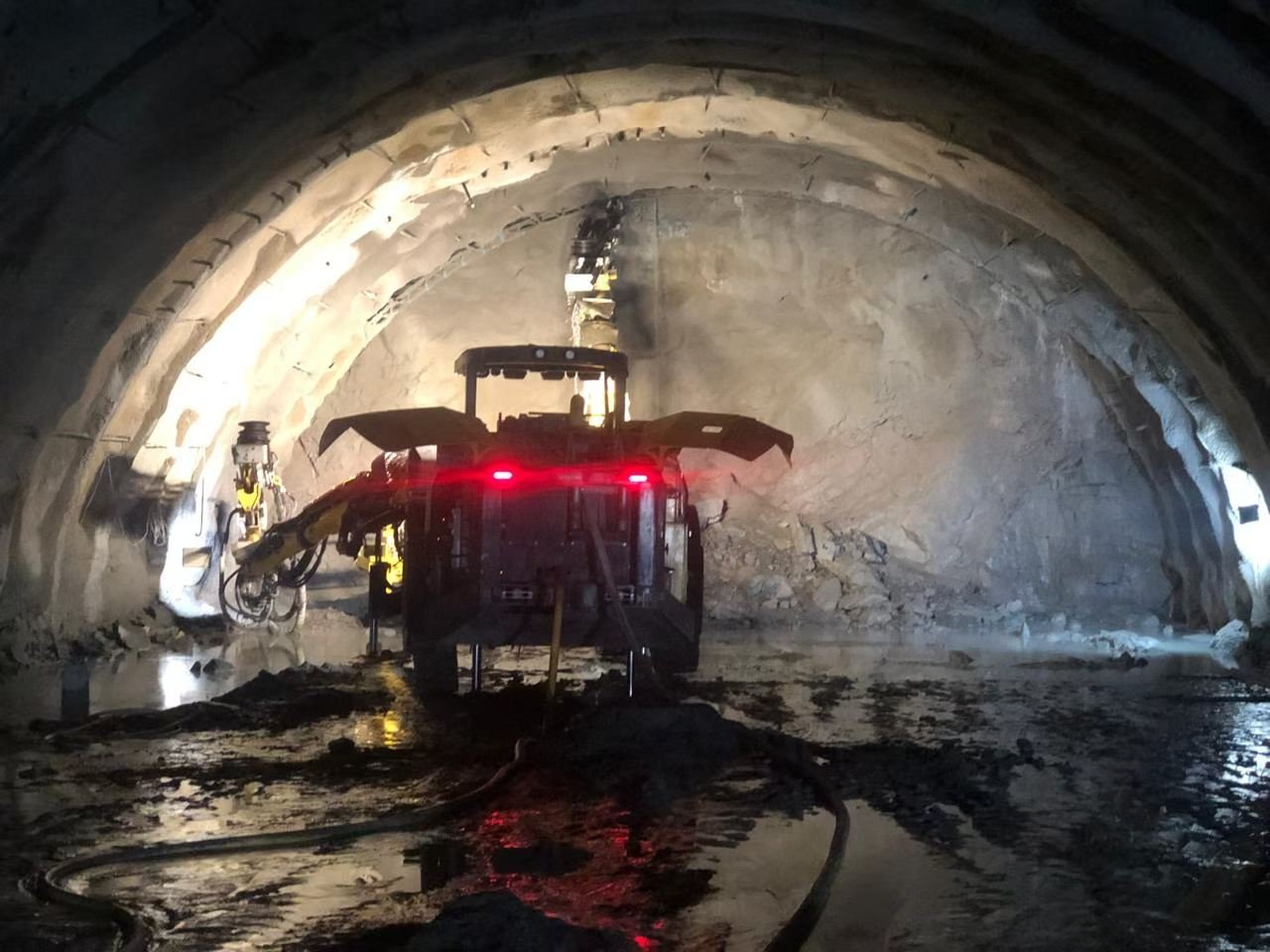
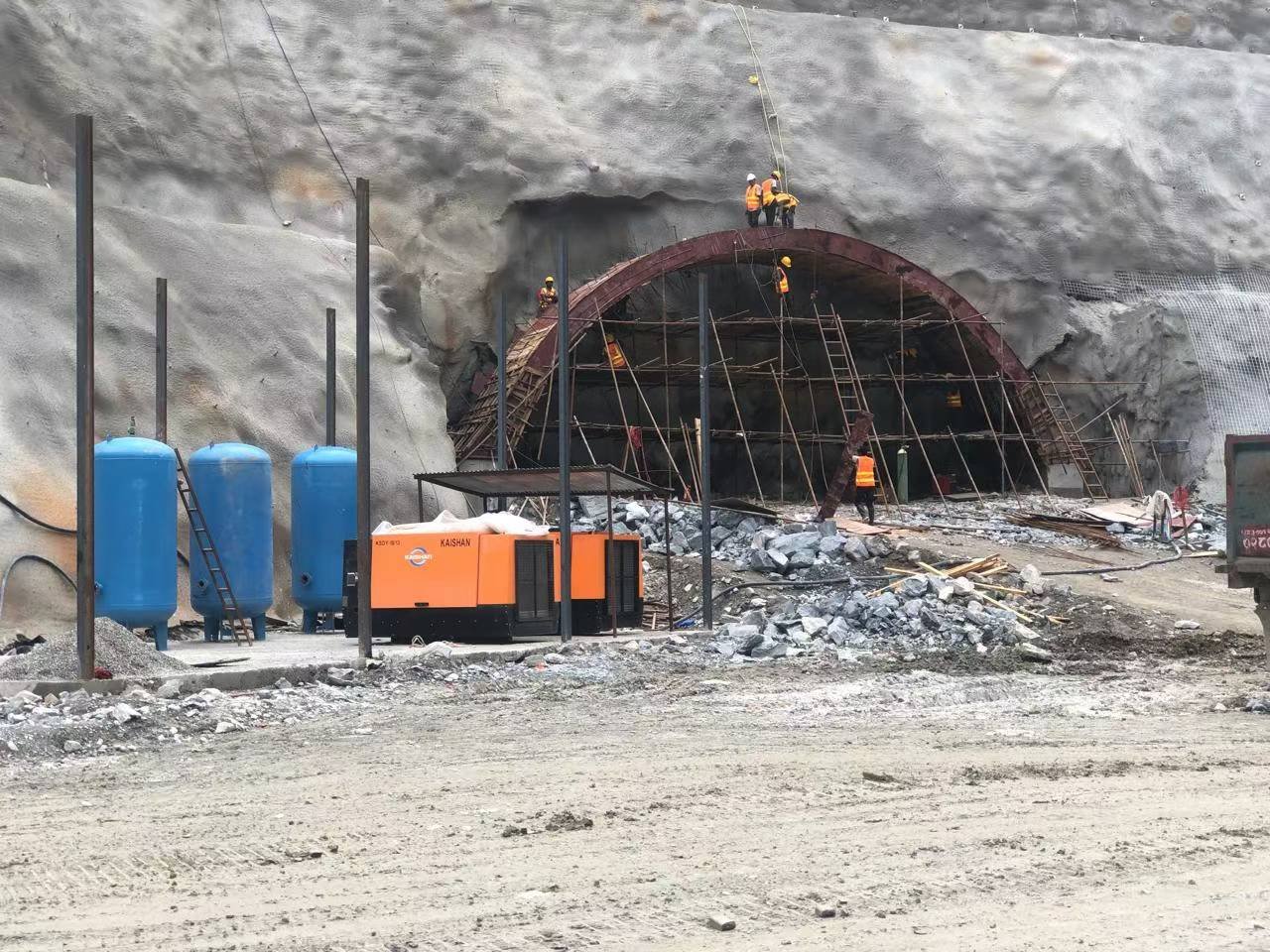
Tunnel construction is a typical underground confined space operation that generates significant amounts of harmful gases (such as CO and NO₂) and dust during the process. As the excavation depth increases, the temperature inside the tunnel rises while the oxygen content decreases. Ventilation for tunnel construction must be comprehensively selected based on factors such as tunnel length, cross-sectional size, and construction methods.
Core Requirements
- Provide construction workers with sufficient fresh air
- Quickly remove harmful gases and dust generated from blasting, drilling, and shotcreting processes
- Address the ventilation challenges of long-distance single-headed tunneling
- Ensure ventilation effectiveness in special environments such as plateaus and high altitudes
Typical Applications
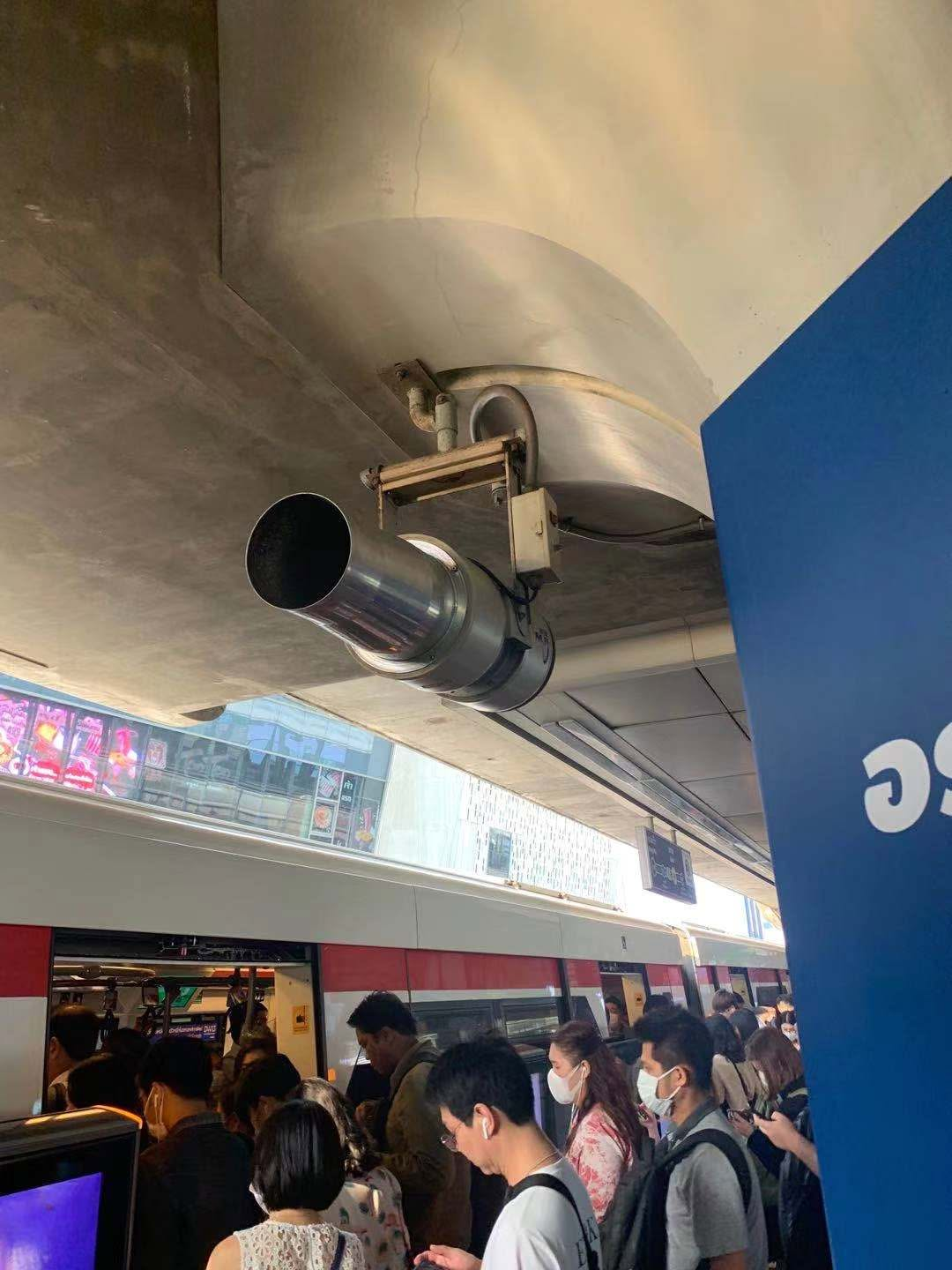
Widely used in construction ventilation for various types of tunnel projects, including highway tunnels, railway tunnels, subway tunnels, and hydraulic tunnels.
Parking Garage Ventilation
Application Background
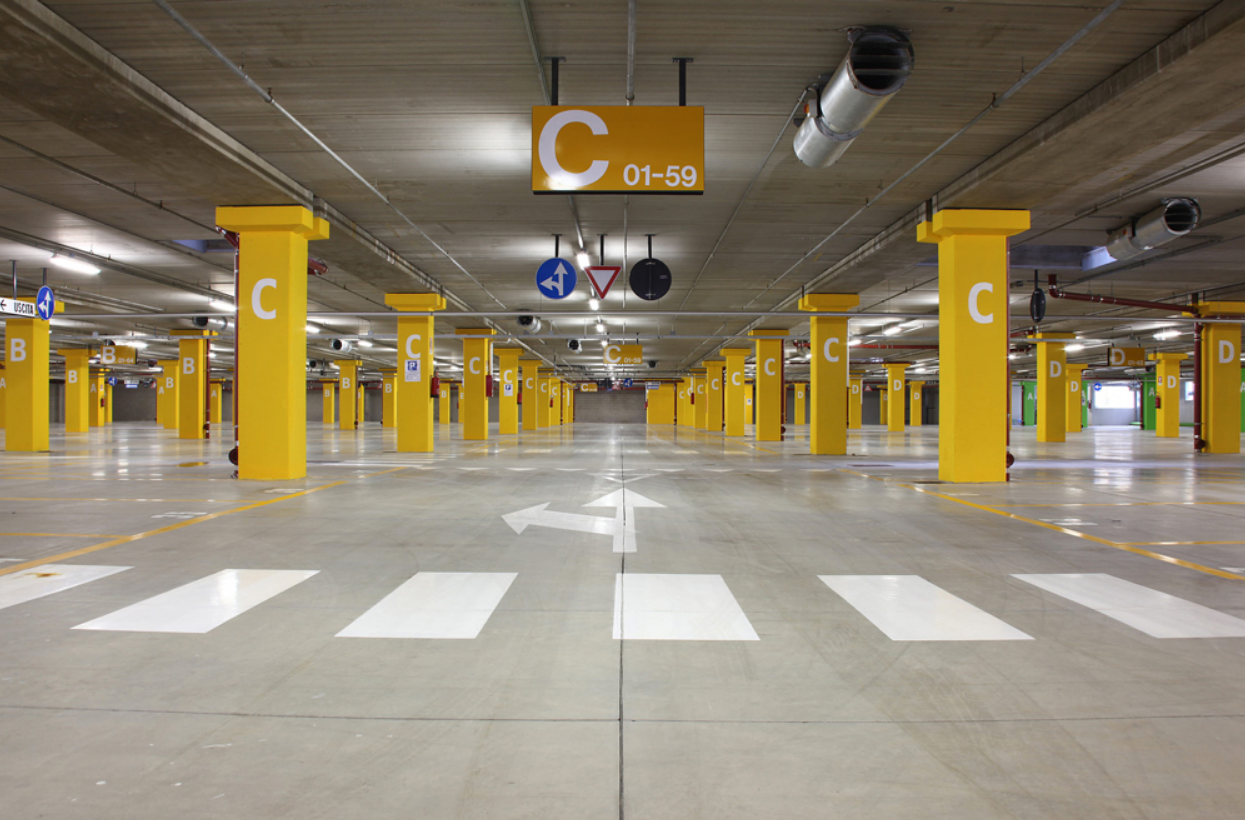
Underground parking lots are enclosed or semi-enclosed spaces that generate large amounts of harmful gases such as CO and NOx during frequent vehicle starting and driving. Traditional mechanical ventilation systems commonly suffer from low energy efficiency and uneven airflow distribution. Meanwhile, underground garages also face common problems such as slippery road surfaces, wall peeling, and floor mildew caused by condensation.
Core Requirements
- Quickly and effectively eliminate harmful gases from vehicle exhaust
- Prevent condensation and keep the garage dry and clean
- Reduce overall energy consumption of the ventilation system
- Save installation space and lower required building height
Typical Applications
Widely applied in ventilation systems for residential underground garages, commercial underground parking lots, and public parking facilities.
 English
 Chinese
 Russian